
The evolution of gambling A historical perspective on games of chance
The Origins of Gambling
The history of gambling dates back thousands of years, with evidence indicating that it began in ancient civilizations. Archaeological findings suggest that the earliest forms of gambling involved simple games of chance played with dice made from animal bones. These games served not only as entertainment but also as a way to predict future events, reflecting the human desire to control uncertainty. For instance, in ancient China, tiles found from around 2300 BC were believed to be used for a rudimentary game of chance. Additionally, many modern players can explore experiences similar to these historical games by visiting vibe-bet.uk.
The ancient Egyptians also engaged in gambling, with artifacts showing they played a form of betting on events such as the outcome of athletic competitions. Records from the Bible and classic Greek texts further indicate that dice games and betting were common in these societies, showcasing how integral the concept of chance has been across cultures. Thus, from its inception, gambling served both as leisure and a form of social interaction, firmly establishing its place in human history.
As societies evolved, so did the complexity of their gambling practices. By the Middle Ages, wagering on various activities, from sports to political events, became widespread, and with it came a more structured approach to gaming. Many of these practices laid the groundwork for the formalized gambling structures we see today, ultimately leading to the establishment of various gaming houses and lotteries that would proliferate in the centuries to come.
The Rise of Casinos
The development of casinos can be traced back to the 17th century, particularly in Italy, where the term “casa” referred to gaming houses. These establishments quickly attracted the nobility, serving as venues for socializing and gambling alike. The Casino di Venezia, established in 1638, is often recognized as the world’s first official casino, blending luxurious surroundings with games of chance. The popularity of such venues expanded across Europe, leading to the creation of additional casinos in cities like Monaco and Baden-Baden.
During the 19th century, as gambling grew in popularity, it began to embrace a more institutionalized form. The introduction of roulette and the rise of card games like poker became significant. These developments not only attracted new players but also established rules and norms that would shape the future of gambling. The fusion of gambling with entertainment brought about the golden age of casinos, where lavish decor and the thrill of high-stakes gaming became synonymous with the experience.
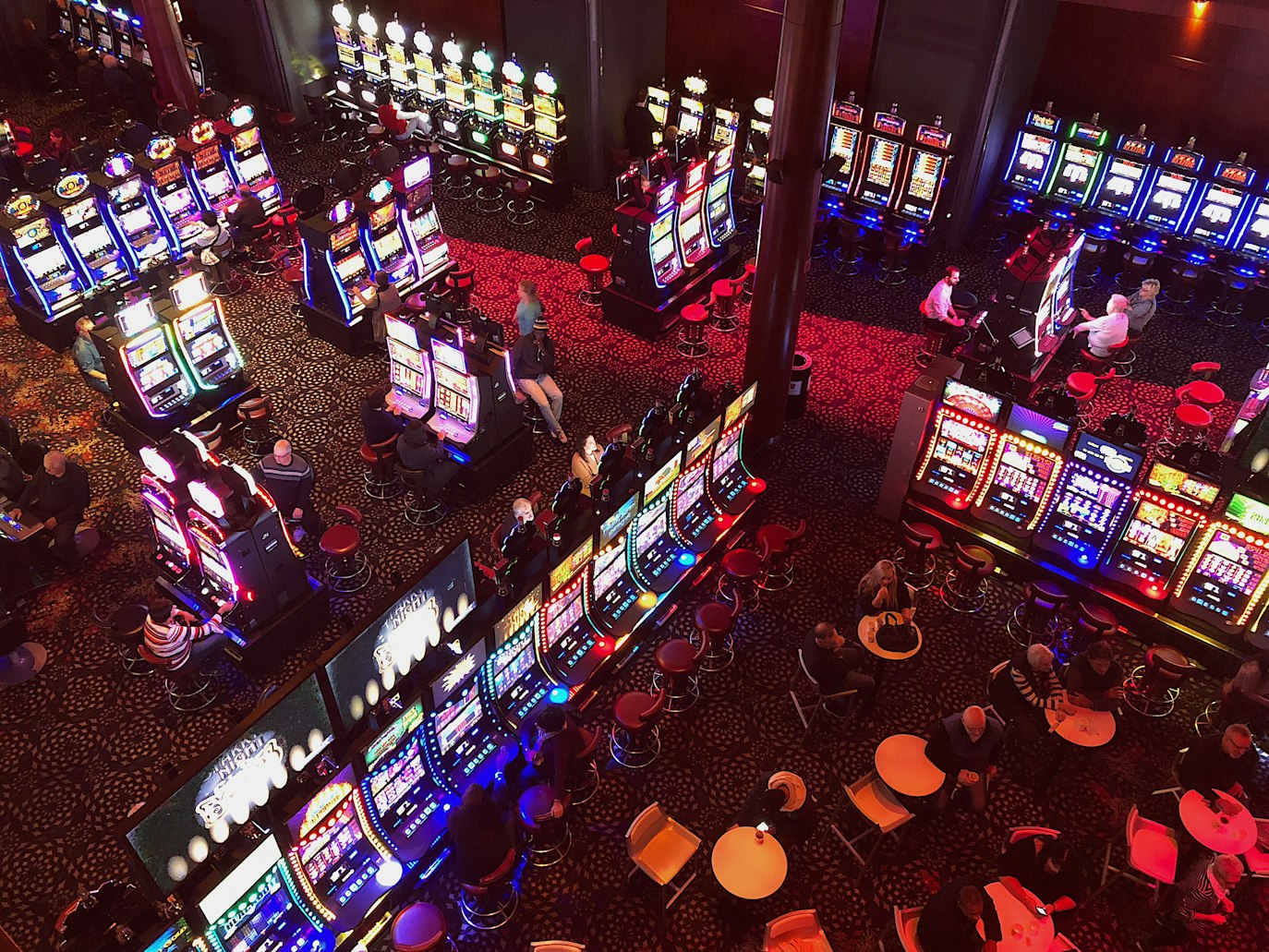
By the 20th century, casinos evolved into grand complexes catering to the affluent, as seen in Las Vegas and Atlantic City. These locations turned gambling into an entertainment extravaganza, with shows, dining, and other attractions. As the casino industry expanded globally, regulations emerged, reflecting both the popularity and the social concerns surrounding gambling. Today, casinos represent a dynamic fusion of entertainment, economics, and culture, continuously adapting to the changing landscape of leisure and technology.
The Advent of Online Gambling
The internet revolutionized many industries, and gambling was no exception. The late 1990s saw the birth of online casinos, offering players the opportunity to enjoy games of chance from the comfort of their homes. The first online casino, launched in 1994, marked the beginning of a new era where players could engage in real-money games without needing to visit physical establishments. This innovation significantly broadened the reach of gambling, attracting millions who may not have had access to traditional casinos.
As technology improved, so did the quality and variety of online gaming options. Advanced software allowed for high-definition graphics, immersive gameplay, and live dealer experiences that closely mirrored traditional casinos. Online platforms began to offer diverse games, including slots, blackjack, poker, and sports betting, catering to various preferences and demographics. The convenience and accessibility of online gambling have made it an appealing option for many, contributing to the industry’s rapid growth.
Furthermore, regulatory frameworks began to adapt to the online gambling landscape, leading to the establishment of legal online casinos in various jurisdictions. This not only ensured player protection and fairness but also generated significant tax revenues for governments. Today, online gambling is a multi-billion-dollar industry, constantly innovating with mobile applications, virtual reality, and blockchain technology, highlighting the continued evolution of games of chance.
The Cultural Impact of Gambling
The cultural implications of gambling are profound and multifaceted, influencing art, literature, and social norms. Throughout history, gambling has been depicted in various forms of art and storytelling, from Shakespeare’s works to modern films that explore themes of risk, reward, and human nature. These portrayals often reflect society’s attitudes toward chance and fate, showcasing gambling as both a vice and a form of entertainment.
Moreover, gambling has had a significant social impact, leading to both positive and negative consequences. For some, it serves as a thrilling form of entertainment, fostering community through shared experiences at casinos or online platforms. However, the darker side includes addiction and financial distress, prompting discussions about responsible gaming and the need for support systems. This duality illustrates how gambling is deeply woven into the fabric of society, presenting both opportunities and challenges.
In recent years, the discussion surrounding gambling has evolved, especially with the rise of online platforms. Issues such as player protection, ethical marketing, and the regulation of gambling advertisements have become focal points in policy debates. These conversations aim to balance the enjoyment of gambling with the need for safeguards against its potential harms, emphasizing the importance of responsible practices in the evolving landscape of games of chance.

Explore the Modern Landscape of Gambling with VibeBet
As gambling continues to evolve, platforms like VibeBet are at the forefront of this transformation. Launched in 2024, VibeBet offers a modern online casino experience, featuring a diverse selection of over 3,000 games. With options ranging from slots to live dealer games, VibeBet caters to various player preferences, ensuring an engaging and dynamic gaming environment. The platform prioritizes security and fair play, creating a safe space for both casual players and seasoned enthusiasts.
New players at VibeBet are welcomed with an attractive bonus package, enhancing their initial gaming experience and encouraging exploration of the extensive game library. The commitment to player protection and fair play underlines VibeBet’s dedication to maintaining a responsible gaming environment. With 24/7 customer support, players can enjoy peace of mind while navigating their gaming journeys.
In a rapidly changing industry, VibeBet stands out by merging innovative technology with a focus on player satisfaction. The platform not only reflects the historical evolution of gambling but also embraces the future of gaming, offering an exciting and immersive experience for all. Whether you are a novice or a veteran, VibeBet is positioned to provide an unforgettable adventure in the world of online gaming.